Binance Futures and Global Ecosystem Review 2026: A Deep Dive into Safety, Licensing, and Trading Innovation
In the rapidly evolving landscape of digital finance, Binance stands as the undisputed titan. Since its inception, it has transitioned from a simple trading platform to a comprehensive global financial ecosystem. Whether you are interested in high-leverage binance futures or secure long-term staking, understanding the infrastructure behind this giant is essential for any serious investor in 2026.
This review explores the historical roots of Binance, its regulatory standing, the breadth of its product suite, and the rigorous security protocols that protect billions in user assets.
The Evolution of a Giant: Binance’s Historical Trajectory
Founded in 2017 by Changpeng Zhao (CZ), Binance quickly rose to dominance by offering unparalleled liquidity and a vast array of altcoin pairings. By 2026, the exchange has moved past its "growth at all costs" phase, maturing into a compliance-first institution. Its history is marked by rapid innovation, such as the launch of the BNB Chain, which decentralized the exchange's influence and fostered a massive DeFi ecosystem.
Regulatory Compliance and Global Licensing
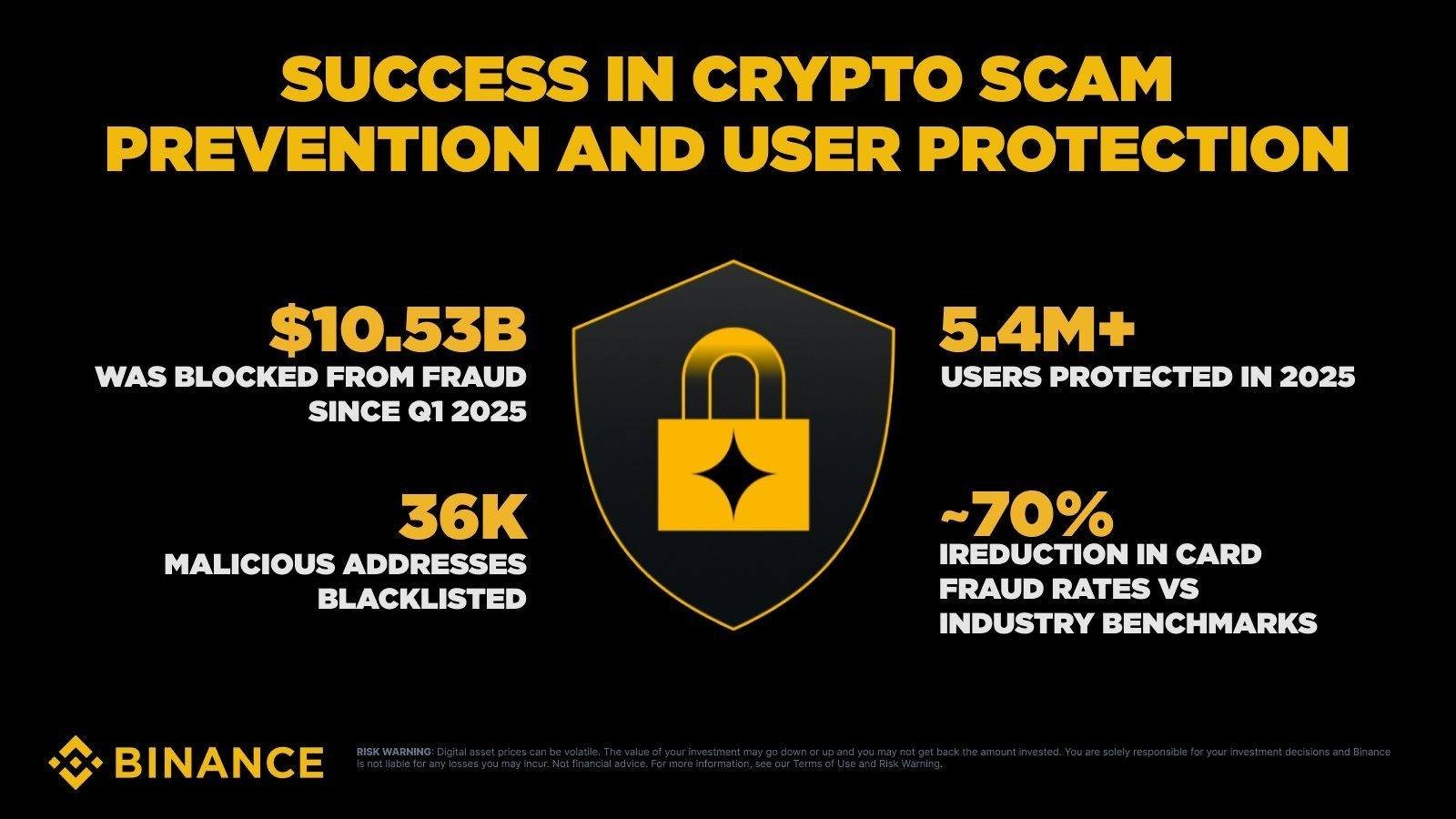
For years, the primary concern for users was the platform's "nomadic" regulatory status. However, as of 2026, Binance has secured licenses and registrations in numerous jurisdictions across Europe, Asia, and the Middle East.
- VASP Registrations: Binance holds Virtual Asset Service Provider status in multiple Tier-1 financial hubs.
- Institutional Alignment: The platform now employs rigorous KYC (Know Your Customer) and AML (Anti-Money Laundering) protocols that meet global banking standards.
- Tax Transparency: Integrated tools now allow users to export seamless reports for local tax authorities, a major leap in professionalizing the crypto experience.
The Binance Ecosystem: A Multi-Dimensional Powerhouse
Binance is no longer just a place to swap Bitcoin. It is a full-stack financial environment.
Binance Futures: The Engine of Liquidity
The binance futures platform remains the crown jewel for professional traders. It offers:
- USDT-M and COIN-M Contracts: Flexibility in how you collateralize your trades.
- High Leverage: Options for up to 125x on major pairs (restricted based on local regulations).
- Advanced Order Types: From TWAP to trailing stops, the tools available rival traditional Wall Street platforms.

Spot Trading and the Web3 Wallet
While binance futures attracts the speculators, the Spot market remains the foundation for builders. Furthermore, the integrated Binance Web3 Wallet allows users to bridge the gap between centralized exchange (CEX) convenience and decentralized finance (DeFi) sovereignty without leaving the app.
Safety First: Proof of Reserves and Fortified Security
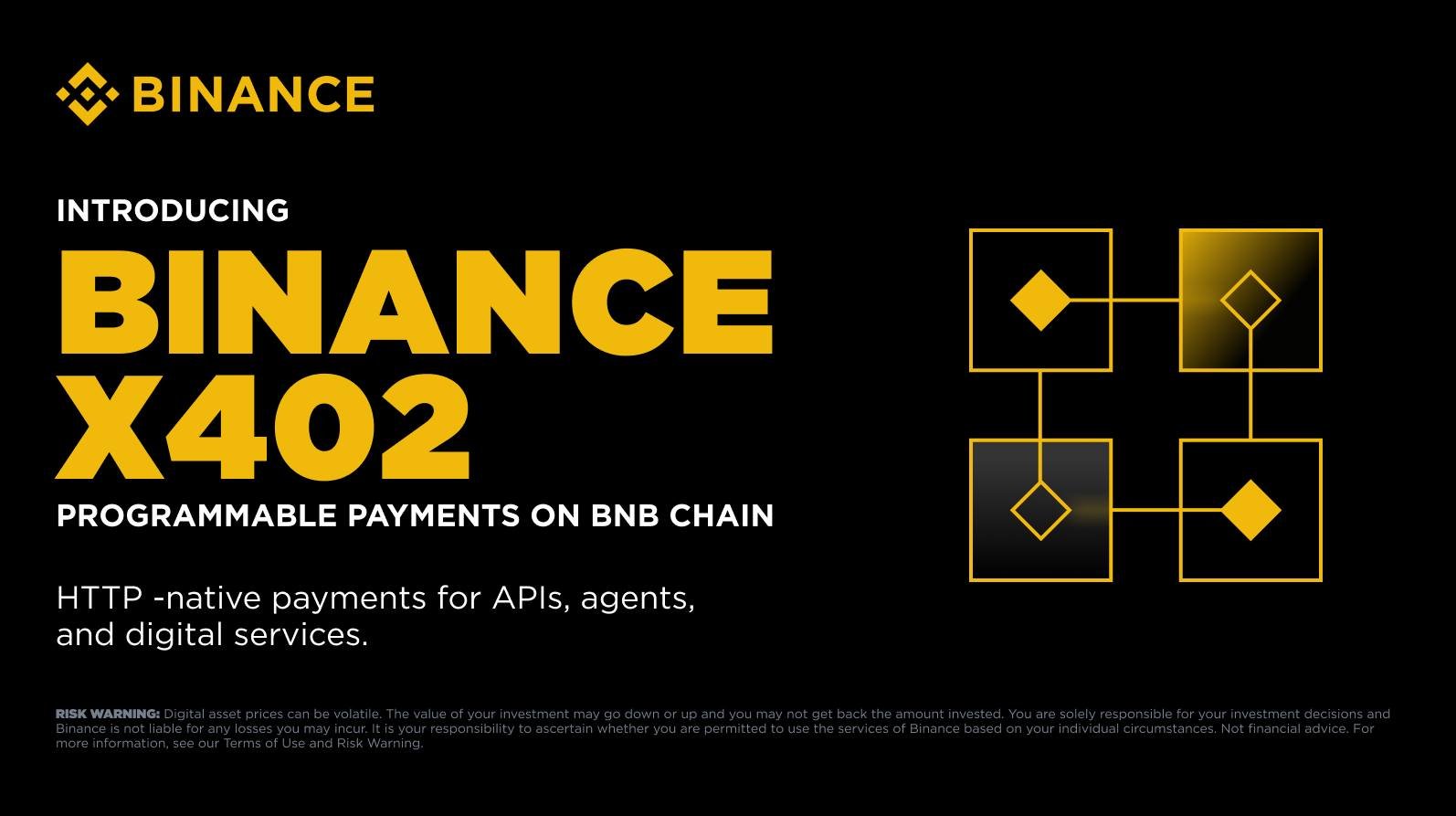
In 2026, the mantra "Don't trust, verify" is more relevant than ever. Binance has led the industry in transparency through several key initiatives:
- Proof of Reserves (PoR): Binance utilizes Merkle Tree cryptography to prove that it holds user assets 1:1. Users can independently verify that their balances are backed by the exchange's cold wallets.
- SAFU Fund: The Secure Asset Fund for Users (SAFU) is an emergency insurance fund (valued in the billions) designed to protect users in the event of extreme security breaches.
- Security Hardware: Support for Yubikeys and advanced biometric 2FA ensures that account takeovers are nearly impossible for vigilant users.

Pros and Cons of the Binance Platform
Pros
- Deepest Liquidity: Minimal slippage even on massive binance futures orders.
- Low Fees: Competitive maker/taker schedules, further reducible by holding BNB.
- Product Variety: One-stop-shop for Earn, NFT, Staking, and Dual Investment.
Cons
- Complexity: The sheer number of features can be overwhelming for absolute beginners.
- Regional Restrictions: Certain products, like high-leverage futures, are unavailable in specific countries due to local laws.
Frequently Asked Questions (FAQ)
1. Is it mandatory to complete KYC on Binance in 2026?
Yes. To comply with global financial regulations, Binance requires all users to complete Identity Verification to deposit, trade, or withdraw funds. This ensures a safer environment and prevents illicit activities.
2. How does Binance Futures differ from Spot trading?
Spot trading involves buying the actual asset for immediate delivery. Binance futures involve trading contracts that represent the value of an asset, allowing you to go "Long" (profit from price increases) or "Short" (profit from price decreases) with leverage.
3. Is my money safe on Binance?
While no platform is 100% risk-free, Binance uses industry-leading security, including cold storage for the majority of funds, Proof of Reserves, and the SAFU insurance fund to mitigate potential losses.
Verdict and Disclaimer
Binance remains the gold standard for crypto infrastructure in 2026. Its commitment to transparency through Proof of Reserves and its robust binance futures engine make it a top choice for both retail and institutional participants. However, the complexity of the platform requires a dedicated learning curve.
Disclaimer: This article is for informational purposes only and does not constitute financial advice. Cryptocurrency trading, especially binance futures and leveraged products, carries significant risk of capital loss. Always conduct your own research and only invest money you can afford to lose.
Binance Exchange Review 2026
Binance
binance download
Binance
binance staking
Binance
binance vs coinbase
Binance
binance api
Binance
binance academy
Binance
binance smart chain
Binance
binance referral code
Binance
binance sign up
Binance
binance fees
Binance
binance login
Binance
binance us
Binance
binance app
Binance
binance support
Binance
binance coin
Binance
bnb
Binance
binance exchange
Binance
binance futures
Binance
binance wallet
Binance
binance p2p
Binance
Running Shoes
BingX Exchange Review 2026
Bingx
bingx copy trader
Bingx
bingx exchange review
Bingx
bingx ftx
Bingx
bingx gold
Bingx
bing bon exchange
Bingx
bing x apk
Bingx
bing x review
Bingx
bingbon bingx
Bybit Exchange Review 2026
Bingx
bingx copy trader
OKX Exchange Review 2026
Claim up to 10,000 USD in Mystery Boxes
Bingx
bingx copy trader